Reiki Symbols and Their Meanings: Unlocking the Power of Sacred Symbols
Reiki, a powerful energy healing practice, is not only about the flow of energy but also about the symbols that aid in directing and amplifying this energy. These sacred symbols are integral to the practice of Reiki, serving as keys that unlock different aspects of the universal life force. Whether you are a seasoned practitioner or new to Reiki, understanding these symbols can deepen your connection to this ancient healing art.
The Origin of Reiki Symbols
Reiki symbols were first introduced by Mikao Usui, the founder of the Usui Reiki system. These symbols are considered sacred and are traditionally taught to Reiki students during their training. Each symbol has a specific meaning and function, and they are used during Reiki sessions to enhance the practitioner’s ability to channel healing energy.
The Main Reiki Symbols
There are several symbols in Reiki, but the most commonly used ones are the Cho Ku Rei, Sei He Ki, Hon Sha Ze Sho Nen, and Dai Ko Myo. Let’s explore each of these symbols and their meanings:
1. Cho Ku Rei (The Power Symbol)
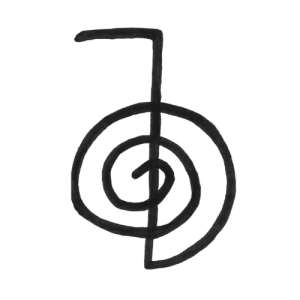
Meaning: “Place the power of the universe here.”
Appearance: A coil-like shape, often drawn in a clockwise direction.
Function: The Cho Ku Rei is used to increase or focus power. It can be thought of as a light switch that boosts the energy flow. This symbol is often used at the beginning of a session to amplify the Reiki energy or at the end to seal in the healing.
Usage: Practitioners draw the Cho Ku Rei in the air or visualize it over the area of the body that needs healing. It can also be used to cleanse and purify spaces, objects, and to protect against negative energies.
2. Sei He Ki (The Harmony Symbol)
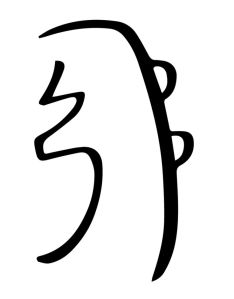
Meaning: “God and man become one.”
Appearance: A wave-like shape, resembling a dragon or a brain.
Function: The Sei He Ki is used for mental and emotional healing. It helps to balance the left and right sides of the brain, bringing harmony and peace. This symbol is particularly effective for releasing emotional pain, reducing stress, and clearing negative mental patterns.
Usage: Practitioners use the Sei He Ki to help clients release emotional blockages and to promote mental clarity. It can be drawn over the head or heart area, or visualized during the session to enhance emotional healing.
3. Hon Sha Ze Sho Nen (The Distance Symbol)
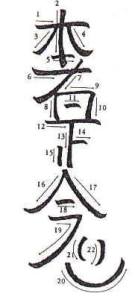
Meaning: “The Buddha in me contacts the Buddha in you.”
Appearance: A series of complex strokes that form an abstract shape.
Function: The Hon Sha Ze Sho Nen is used for distance healing, allowing Reiki practitioners to send energy across time and space. This symbol transcends physical boundaries, making it possible to heal past traumas or send energy to future events.
Usage: Practitioners use this symbol to perform distance Reiki sessions, which can be sent to anyone, anywhere in the world. It is also used to heal past events that are still impacting a person’s present life, promoting holistic healing across timelines.
4. Dai Ko Myo (The Master Symbol)

Meaning: “Great shining light.”
Appearance: A complex symbol with a combination of various strokes.
Function: The Dai Ko Myo is the most powerful symbol in the Usui Reiki system and is often referred to as the Master Symbol. It is used for healing the soul and providing spiritual enlightenment. This symbol connects the practitioner directly to the universal life force, enhancing all aspects of Reiki energy.
Usage: The Dai Ko Myo is used by Reiki Masters to attune students and to bring deep healing to the soul level. It can be drawn over the client or visualized to invoke powerful healing energy.
How Practitioners Use Reiki Symbols
Reiki practitioners use these symbols in various ways during healing sessions. They may draw them in the air with their hands, visualize them in their minds, or even chant their names. The intention behind the use of each symbol is crucial, as it directs the flow of energy according to the symbol’s specific function.
- Amplifying Energy: The Cho Ku Rei can be used at the beginning of a session to boost the practitioner’s energy and at the end to seal the healing.
- Emotional Healing: The Sei He Ki helps to address emotional issues and is often used during sessions focused on stress relief or emotional release.
- Distance Healing: The Hon Sha Ze Sho Nen enables practitioners to send healing energy to clients who are not physically present, making Reiki a versatile and far-reaching healing modality.
- Spiritual Connection: The Dai Ko Myo enhances the practitioner’s spiritual connection and is used for deep, transformative healing.
Conclusion
Reiki symbols are more than just abstract drawings; they are powerful tools that unlock different dimensions of healing. Understanding and using these symbols can significantly enhance a practitioner’s ability to channel Reiki energy, providing profound benefits to both the healer and the recipient. Whether you are looking to deepen your practice or seeking new ways to heal, the sacred symbols of Reiki offer a gateway to greater spiritual and physical well-being.
By integrating these symbols into your Reiki practice, you can unlock new levels of healing potential and connect more deeply with the universal life force that sustains us all.
 Soul Energy Reiki
Leave a comment